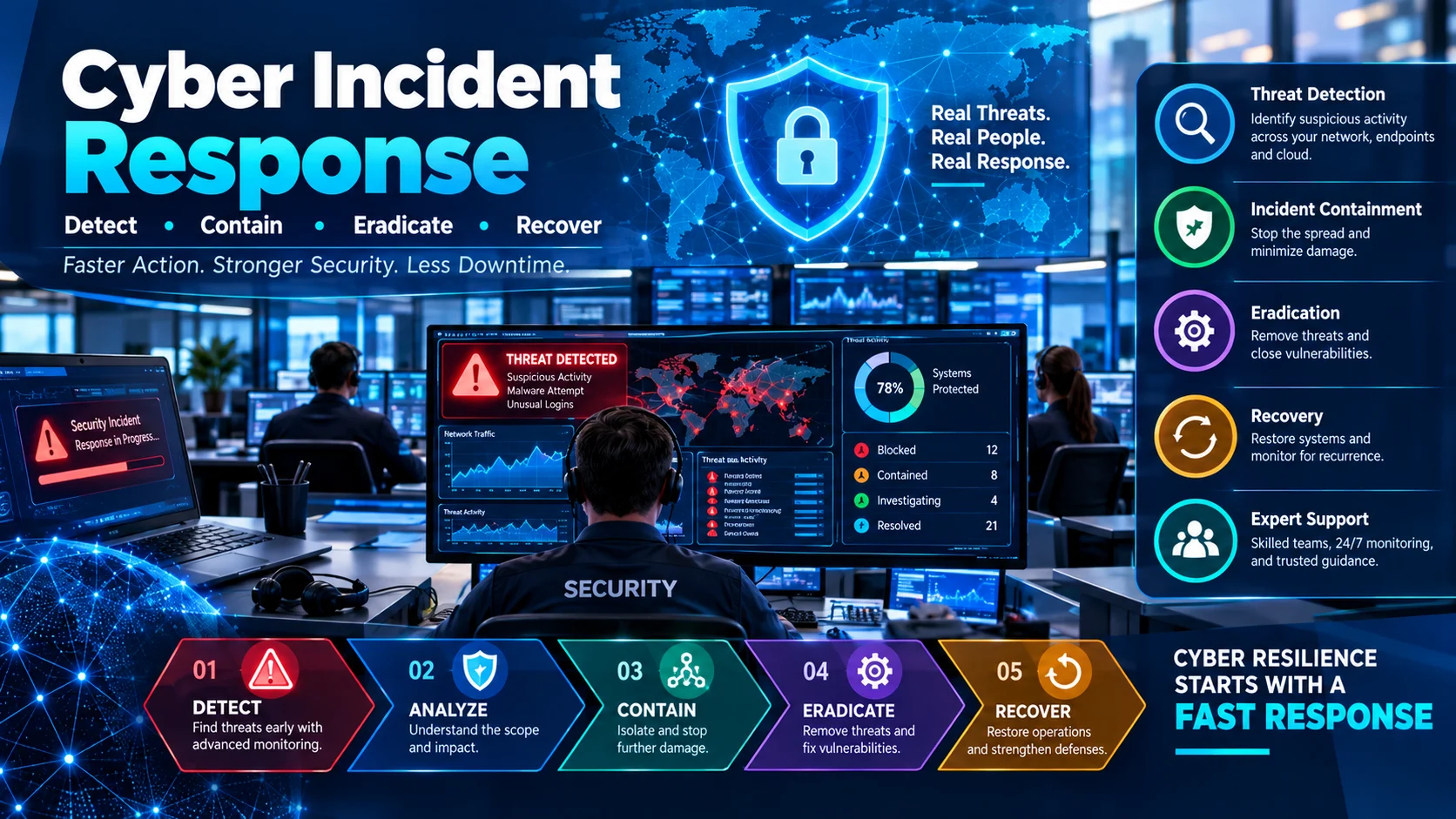
Cyber incident response means communicating clearly and acting quickly when a security incident occurs. These ready-to-use responses help teams handle alerts, updates, containment, recovery, and stakeholder communication with confidence.
Top alternatives: We are investigating now, The incident is contained, Security team is responding, Systems are being monitored, Recovery is underway
You are handling a phishing alert, ransomware concern, suspicious login, data exposure, or unexpected system outage, the right words can keep everyone focused. Cyber incident response is not only about technical fixes. It also involves clear updates between security teams, employees, managers, customers, vendors, and leadership.
A vague message can create confusion, while a calm and specific response can help people understand what is happening and what they should do next. From workplace messages and incident tickets to executive updates and customer notices, wording matters.
Think of it as the communication side of cybersecurity, where clarity beats panic every time. The following responses give you practical, professional, concise phrases for different incident-response situations.
Professional Cyber Incident Response Phrases
- We are investigating the incident.
Example: Use this during the initial security assessment.
Meaning: It confirms active investigation without unnecessary speculation. - Our security team is responding.
Example: Use this when notifying internal stakeholders.
Meaning: It shows that responsible personnel are engaged. - The incident is under review.
Example: Use this for an early status update.
Meaning: It communicates that facts are still being assessed. - We identified suspicious activity.
Example: Use this after detecting unusual behavior.
Meaning: It acknowledges a potential security concern. - Containment measures are now active.
Example: Use this after isolating affected systems.
Meaning: It confirms protective actions have started. - We are monitoring affected systems.
Example: Use this during ongoing observation.
Meaning: It communicates continued security oversight. - The response process is underway.
Example: Use this in an incident report.
Meaning: It confirms coordinated response activity. - Relevant teams have been notified.
Example: Use this after escalating the incident.
Meaning: It confirms appropriate internal communication. - We are assessing potential impact.
Example: Use this before impact analysis finishes.
Meaning: It avoids making unsupported conclusions. - Additional information is being gathered.
Example: Use this when evidence remains incomplete.
Meaning: It signals that investigation continues. - We will provide verified updates.
Example: Use this when stakeholders request details.
Meaning: It prioritizes accurate information over speculation. - The incident remains actively monitored.
Example: Use this during extended response efforts.
Meaning: It confirms continued attention and oversight.
Calm Incident Response Messages
- We have this under control.
Example: Use this during a stressful internal update.
Meaning: It provides reassurance while response work continues. - The team is handling it.
Example: Use this when employees become concerned.
Meaning: It reassures people that action is happening. - We are taking appropriate steps.
Example: Use this for a calm stakeholder message.
Meaning: It communicates measured response activity. - The situation is being assessed.
Example: Use this before confirming incident details.
Meaning: It avoids premature conclusions. - Please remain calm and attentive.
Example: Use this during a developing incident.
Meaning: It encourages careful behavior without creating panic. - We are working through the issue.
Example: Use this during active remediation.
Meaning: It acknowledges progress without overpromising. - Updates will follow as verified.
Example: Use this when information remains limited.
Meaning: It promises accurate communication when available. - We are following response procedures.
Example: Use this during internal coordination.
Meaning: It shows that established processes are being followed. - Protective actions are already underway.
Example: Use this after initial containment.
Meaning: It reassures stakeholders that safeguards are active. - We are prioritizing system safety.
Example: Use this during operational disruption.
Meaning: It emphasizes security before convenience. - The investigation continues without interruption.
Example: Use this during prolonged analysis.
Meaning: It communicates sustained response efforts. - We will communicate important developments.
Example: Use this during ongoing monitoring.
Meaning: It keeps stakeholders informed about meaningful changes.
Concise Cybersecurity Response Phrases
- Incident identified and logged.
Example: Use this for incident-management records.
Meaning: It confirms formal documentation has started. - Alert received and acknowledged.
Example: Use this after receiving a security alert.
Meaning: It confirms the alert entered response workflow. - Investigation has officially started.
Example: Use this when opening an investigation.
Meaning: It marks the beginning of analysis. - Affected assets are being isolated.
Example: Use this during containment.
Meaning: It confirms potentially compromised assets are separated. - Evidence collection is underway.
Example: Use this during forensic preparation.
Meaning: It confirms evidence preservation activities have begun. - Access has been temporarily restricted.
Example: Use this after suspicious account activity.
Meaning: It confirms a temporary protective measure. - Security controls remain operational.
Example: Use this during system review.
Meaning: It communicates continued defensive coverage. - Incident severity is being assessed.
Example: Use this during triage.
Meaning: It confirms impact classification remains underway. - Relevant logs are being reviewed.
Example: Use this during technical investigation.
Meaning: It identifies an evidence-review activity. - Containment status is being monitored.
Example: Use this after isolation measures.
Meaning: It confirms containment effectiveness is being checked. - Recovery planning has commenced.
Example: Use this after containment stabilizes systems.
Meaning: It signals movement toward restoration. - Post-incident review will follow.
Example: Use this after remediation.
Meaning: It indicates lessons and improvements will be evaluated.
Incident Response Team Updates
- Team members are actively coordinating.
Example: Use this during cross-functional response.
Meaning: It confirms coordinated teamwork. - The response lead has been assigned.
Example: Use this after incident escalation.
Meaning: It confirms ownership of response coordination. - Technical teams are investigating indicators.
Example: Use this during technical analysis.
Meaning: It shows technical investigation is underway. - Operations are supporting containment efforts.
Example: Use this during cross-team collaboration.
Meaning: It highlights operational assistance. - Management has received an update.
Example: Use this after leadership notification.
Meaning: It confirms management awareness. - Forensic review is currently progressing.
Example: Use this during evidence analysis.
Meaning: It communicates ongoing forensic activity. - Communication channels remain open.
Example: Use this during coordinated response.
Meaning: It confirms teams can share developments. - Escalation procedures have been activated.
Example: Use this for serious incidents.
Meaning: It confirms higher-level response processes started. - Response responsibilities are clearly assigned.
Example: Use this during team coordination.
Meaning: It confirms accountability is established. - Critical stakeholders remain informed.
Example: Use this during regular updates.
Meaning: It confirms important parties receive information. - Response actions are being documented.
Example: Use this during incident management.
Meaning: It confirms actions are being recorded. - The team is tracking progress.
Example: Use this during extended incidents.
Meaning: It communicates active response management.
Funny But Professional Responses
- The firewall has entered detective mode.
Example: Use this for light internal team humor.
Meaning: It adds humor without minimizing security work. - The logs are telling stories.
Example: Use this during technical investigation.
Meaning: It humorously describes evidence analysis. - Someone definitely woke the SOC.
Example: Use this after an overnight alert.
Meaning: It jokes about sudden security activity. - Today came with extra alerts.
Example: Use this after multiple notifications.
Meaning: It lightly acknowledges an unusually busy shift. - The dashboard chose maximum drama.
Example: Use this among trusted teammates.
Meaning: It humorously describes a busy security dashboard. - Packets are having trust issues.
Example: Use this for harmless technical humor.
Meaning: It jokingly describes suspicious network activity. - Security mode is officially activated.
Example: Use this after escalating an incident.
Meaning: It playfully signals active response. - The logs deserve our attention.
Example: Use this during evidence review.
Meaning: It humorously emphasizes investigating records. - Our alerts are feeling energetic.
Example: Use this during a busy shift.
Meaning: It makes heavy alert volume sound lighter. - Cybersecurity coffee levels are rising.
Example: Use this among colleagues during response work.
Meaning: It jokes about a demanding security shift. - Another ticket joins the party.
Example: Use this when another alert arrives.
Meaning: It humorously acknowledges additional workload. - The SOC has entered focus mode.
Example: Use this when serious investigation begins.
Meaning: It signals concentrated response activity.
Polite Cyber Incident Responses
- Thank you for reporting this issue.
Example: Use this when someone reports suspicious activity.
Meaning: It acknowledges their helpful action. - We appreciate your quick notification.
Example: Use this after an employee reports an alert.
Meaning: It recognizes timely communication. - Please avoid affected systems temporarily.
Example: Use this during containment.
Meaning: It politely requests safer behavior. - We appreciate your continued cooperation.
Example: Use this during extended response.
Meaning: It encourages continued support. - Please follow the security guidance provided.
Example: Use this during an active incident.
Meaning: It directs recipients toward approved actions. - We will share confirmed information shortly.
Example: Use this after receiving questions.
Meaning: It promises verified communication. - Thank you for your patience.
Example: Use this during service disruption.
Meaning: It acknowledges inconvenience respectfully. - Please report anything unusual promptly.
Example: Use this during monitoring.
Meaning: It encourages early reporting. - Your cooperation helps our investigation.
Example: Use this when requesting information.
Meaning: It explains why assistance matters. - We appreciate your understanding here.
Example: Use this during temporary restrictions.
Meaning: It politely explains response-related inconvenience. - Please contact security with questions.
Example: Use this when employees need clarification.
Meaning: It directs questions to the appropriate team. - We will keep you appropriately informed.
Example: Use this during ongoing investigation.
Meaning: It reassures recipients about future communication.
Urgent Cyber Incident Responses
- Immediate action is required now.
Example: Use this during a high-priority incident.
Meaning: It communicates urgency clearly. - Please isolate the affected device.
Example: Use this during suspected compromise.
Meaning: It requests immediate containment. - Escalate this incident immediately.
Example: Use this when severity increases.
Meaning: It directs rapid escalation. - Stop using the affected account.
Example: Use this during suspicious account activity.
Meaning: It limits potentially harmful access. - Security leadership has been notified.
Example: Use this during serious incidents.
Meaning: It confirms leadership escalation. - Containment actions must continue immediately.
Example: Use this during active response.
Meaning: It emphasizes uninterrupted containment. - Preserve relevant evidence immediately.
Example: Use this during forensic response.
Meaning: It stresses evidence preservation. - Do not delete suspicious files.
Example: Use this when evidence may matter.
Meaning: It prevents accidental evidence destruction. - Follow the emergency response procedure.
Example: Use this during critical events.
Meaning: It directs people toward established procedures. - Report additional indicators immediately.
Example: Use this during active investigation.
Meaning: It encourages rapid information sharing. - Restrict access until cleared.
Example: Use this during containment.
Meaning: It limits exposure while assessment continues. - Keep communication channels available.
Example: Use this during urgent coordination.
Meaning: It supports rapid team communication.
Customer-Facing Cyber Incident Responses
- We are investigating a security issue.
Example: Use this for an initial customer notice.
Meaning: It provides transparent but careful information. - Your security remains our priority.
Example: Use this during customer communication.
Meaning: It emphasizes commitment to protection. - We are actively reviewing the situation.
Example: Use this before investigation concludes.
Meaning: It confirms ongoing assessment. - We will provide verified updates.
Example: Use this during developing incidents.
Meaning: It avoids spreading unconfirmed information. - Protective measures have been implemented.
Example: Use this after containment actions.
Meaning: It communicates that safeguards are active. - Our teams are working continuously.
Example: Use this during prolonged disruption.
Meaning: It reassures customers about active response. - We understand the concern this creates.
Example: Use this when customers are worried.
Meaning: It acknowledges their concerns respectfully. - Additional safeguards are being reviewed.
Example: Use this during remediation planning.
Meaning: It signals consideration of further protection. - We are monitoring relevant systems.
Example: Use this during ongoing observation.
Meaning: It confirms continued security monitoring. - We will communicate meaningful developments.
Example: Use this in status updates.
Meaning: It promises relevant information without speculation. - Please follow the guidance provided.
Example: Use this with customer instructions.
Meaning: It encourages customers to take recommended actions. - Thank you for your patience.
Example: Use this during service disruption.
Meaning: It respectfully acknowledges customer inconvenience.
Executive Cyber Incident Responses
- The incident is being actively managed.
Example: Use this for executive briefings.
Meaning: It summarizes active response ownership. - Current impact remains under assessment.
Example: Use this before impact analysis concludes.
Meaning: It avoids premature impact claims. - Containment measures are progressing.
Example: Use this during leadership updates.
Meaning: It communicates movement toward stabilization. - Response teams remain fully engaged.
Example: Use this during executive communication.
Meaning: It confirms sustained response attention. - Critical risks are being prioritized.
Example: Use this during incident management.
Meaning: It highlights risk-focused decision making. - Leadership communication remains active.
Example: Use this during major incidents.
Meaning: It confirms ongoing executive coordination. - Recovery planning is underway.
Example: Use this after stabilization begins.
Meaning: It signals preparation for restoration. - Incident details remain under verification.
Example: Use this when facts are incomplete.
Meaning: It separates verified facts from assumptions. - Business continuity remains under review.
Example: Use this during operational disruption.
Meaning: It communicates continuity planning. - Response priorities have been established.
Example: Use this after incident triage.
Meaning: It confirms response focus areas. - Stakeholder updates remain scheduled.
Example: Use this during extended incidents.
Meaning: It indicates structured communication. - Post-incident actions will be documented.
Example: Use this after resolution.
Meaning: It confirms follow-up accountability.
Incident Response Status Updates
- Investigation is currently ongoing.
Example: Use this in recurring incident updates.
Meaning: It confirms analysis continues. - Containment remains in progress.
Example: Use this while isolating affected assets.
Meaning: It communicates unfinished containment. - Systems remain under monitoring.
Example: Use this after initial containment.
Meaning: It confirms continued observation. - No additional indicators identified.
Example: Use this after a monitoring period.
Meaning: It reports current findings without overclaiming. - Evidence review continues today.
Example: Use this during forensic analysis.
Meaning: It confirms evidence examination remains active. - Recovery activities are progressing.
Example: Use this during restoration.
Meaning: It communicates movement toward recovery. - Affected services remain under review.
Example: Use this during service disruption.
Meaning: It confirms continued service assessment. - Security controls are being validated.
Example: Use this during remediation.
Meaning: It confirms defensive measures are being checked. - Additional findings remain possible.
Example: Use this when investigation is incomplete.
Meaning: It acknowledges uncertainty responsibly. - The latest review found nothing new.
Example: Use this after a follow-up assessment.
Meaning: It communicates unchanged findings. - Response actions remain on schedule.
Example: Use this during planned remediation.
Meaning: It communicates expected progress. - Next update will follow shortly.
Example: Use this at the end of updates.
Meaning: It establishes continued communication.
Creative Cybersecurity Responses
- Threat detected, response activated.
Example: Use this for a memorable security update.
Meaning: It connects detection with immediate action. - The digital doors are secured.
Example: Use this after access restrictions.
Meaning: It creatively describes protective measures. - Our cyber watch remains active.
Example: Use this during monitoring.
Meaning: It emphasizes continuous vigilance. - The investigation trail continues.
Example: Use this during forensic analysis.
Meaning: It creatively describes evidence tracking. - The security net is tightening.
Example: Use this during containment.
Meaning: It suggests stronger protective controls. - The threat clock is running.
Example: Use this during urgent response.
Meaning: It emphasizes the importance of timely action. - Every alert gets a closer look.
Example: Use this during monitoring.
Meaning: It communicates careful investigation. - Digital defenses are on duty.
Example: Use this during active protection.
Meaning: It gives defensive controls a memorable voice. - The response map is moving.
Example: Use this during coordinated action.
Meaning: It suggests response steps are progressing. - Security teams are connecting dots.
Example: Use this during investigation.
Meaning: It describes correlating security evidence. - The cyber puzzle is unfolding.
Example: Use this during analysis.
Meaning: It creatively describes discovering incident details. - Recovery is entering the spotlight.
Example: Use this after containment.
Meaning: It signals attention shifting toward restoration.
Sarcastic Cyber Incident Responses
- Because apparently alerts needed friends.
Example: Use this among trusted security teammates.
Meaning: It lightly jokes about multiple alerts. - The dashboard chose today for drama.
Example: Use this during a busy shift.
Meaning: It humorously describes unusual activity. - Another alert, exactly what we needed.
Example: Use this after another notification.
Meaning: It expresses playful frustration. - The logs are feeling very talkative.
Example: Use this during investigation.
Meaning: It jokes about abundant evidence. - Nothing says calm like alerts.
Example: Use this among colleagues.
Meaning: It humorously contrasts alerts with calmness. - Apparently sleep was optional tonight.
Example: Use this during overnight response.
Meaning: It jokes about demanding incident work. - The firewall has opinions today.
Example: Use this during unusual network activity.
Meaning: It personifies defensive technology humorously. - Our inbox discovered cybersecurity today.
Example: Use this after notification overload.
Meaning: It jokes about numerous security messages. - The incident calendar stays productive.
Example: Use this during recurring incidents.
Meaning: It uses dry humor about workload. - Another ticket joins our adventure.
Example: Use this after a new incident ticket.
Meaning: It humorously acknowledges additional work. - The alerts refuse to take weekends.
Example: Use this during weekend monitoring.
Meaning: It jokes about nonstop security alerts. - Security apparently loves plot twists.
Example: Use this during unexpected developments.
Meaning: It humorously describes changing incident conditions.
Confident Incident Response Statements
- We know what happens next.
Example: Use this after confirming response procedures.
Meaning: It communicates confidence in the process. - The response plan is active.
Example: Use this after initiating response.
Meaning: It confirms an established plan is operating. - We are moving with purpose.
Example: Use this during active containment.
Meaning: It communicates focused action. - The team is ready to respond.
Example: Use this during security readiness updates.
Meaning: It demonstrates preparedness. - Containment remains our current priority.
Example: Use this during early response.
Meaning: It clearly identifies the immediate objective. - We are following established procedures.
Example: Use this when reassuring stakeholders.
Meaning: It demonstrates procedural discipline. - Evidence is guiding our decisions.
Example: Use this during investigation.
Meaning: It emphasizes evidence-based response. - Every action is being tracked.
Example: Use this during incident management.
Meaning: It communicates accountability. - Security teams remain fully coordinated.
Example: Use this during cross-team response.
Meaning: It confirms coordinated action. - We are focused on recovery.
Example: Use this after containment.
Meaning: It signals attention toward restoration. - Response priorities remain clear.
Example: Use this during executive updates.
Meaning: It communicates organized decision making. - We are prepared for follow-up.
Example: Use this after initial remediation.
Meaning: It shows readiness for additional findings.
Emotional And Reassuring Responses
- We understand this feels concerning.
Example: Use this when employees are worried.
Meaning: It acknowledges emotional reactions respectfully. - You did the right thing reporting.
Example: Use this after an employee reports an issue.
Meaning: It reinforces responsible security behavior. - Your quick action genuinely helped.
Example: Use this after prompt reporting.
Meaning: It recognizes useful cooperation. - We appreciate everyone staying alert.
Example: Use this during heightened monitoring.
Meaning: It encourages continued awareness. - You are not handling this alone.
Example: Use this when reassuring affected staff.
Meaning: It emphasizes team support. - Security teams are here to help.
Example: Use this when employees need assistance.
Meaning: It makes support feel accessible. - Thank you for speaking up.
Example: Use this after reporting suspicious activity.
Meaning: It encourages open communication. - Your concern has been heard.
Example: Use this when responding to questions.
Meaning: It acknowledges the person’s concern. - We are taking this seriously.
Example: Use this during sensitive communication.
Meaning: It communicates appropriate attention. - Support remains available throughout response.
Example: Use this during prolonged incidents.
Meaning: It reassures people about ongoing assistance. - We will keep communication clear.
Example: Use this during uncertain situations.
Meaning: It promises straightforward updates. - We are working toward stability.
Example: Use this during recovery.
Meaning: It communicates progress toward normal operations.
Smart Incident Response Phrases
- Facts first, assumptions later.
Example: Use this during early investigation.
Meaning: It promotes evidence-based communication. - Verify before sharing conclusions.
Example: Use this during incident updates.
Meaning: It discourages unconfirmed claims. - Document every significant response action.
Example: Use this during incident management.
Meaning: It emphasizes accurate record keeping. - Prioritize impact before speculation.
Example: Use this during executive discussions.
Meaning: It keeps communication focused on evidence. - Track indicators across affected systems.
Example: Use this during technical investigation.
Meaning: It encourages broader evidence correlation. - Containment comes before convenient access.
Example: Use this during active response.
Meaning: It emphasizes security over temporary convenience. - Keep stakeholders informed with facts.
Example: Use this during regular updates.
Meaning: It encourages transparent factual communication. - Preserve evidence before making changes.
Example: Use this during forensic response.
Meaning: It highlights evidence preservation. - Review controls after recovery.
Example: Use this during post-incident work.
Meaning: It supports learning and improvement. - Connect alerts with supporting evidence.
Example: Use this during investigation.
Meaning: It encourages evidence correlation. - Separate confirmed facts from possibilities.
Example: Use this during stakeholder communication.
Meaning: It prevents uncertainty from sounding like fact. - Turn incident lessons into improvements.
Example: Use this after resolution.
Meaning: It encourages practical post-incident improvement.
Friendly And Casual Responses
- Yep, security team is on it.
Example: Use this for casual internal messaging.
Meaning: It reassures colleagues informally. - We are checking things now.
Example: Use this during initial investigation.
Meaning: It communicates active assessment casually. - The team is looking into it.
Example: Use this when someone asks for updates.
Meaning: It confirms investigation without technical overload. - We caught the alert.
Example: Use this after detecting suspicious activity.
Meaning: It confirms the alert was noticed. - We are keeping watch.
Example: Use this during monitoring.
Meaning: It communicates ongoing observation. - The security crew is working.
Example: Use this among familiar coworkers.
Meaning: It provides a relaxed status update. - We are sorting this out.
Example: Use this during active remediation.
Meaning: It reassures people that work continues. - We will update everyone soon.
Example: Use this when details are pending.
Meaning: It promises another communication. - Everything is being checked carefully.
Example: Use this when facts remain incomplete.
Meaning: It communicates thoroughness. - We are keeping things contained.
Example: Use this during containment.
Meaning: It indicates that spread prevention remains active. - More details are coming shortly.
Example: Use this when investigation continues.
Meaning: It signals upcoming information. - For now, follow the guidance.
Example: Use this during active response.
Meaning: It directs people toward current instructions.
Cyber Incident Recovery Responses
- Recovery activities are now underway.
Example: Use this after successful containment.
Meaning: It confirms restoration work has started. - Affected systems are being restored.
Example: Use this during system recovery.
Meaning: It communicates active restoration. - Services are returning gradually.
Example: Use this during phased restoration.
Meaning: It communicates gradual service recovery. - Recovery remains carefully monitored.
Example: Use this after restoring systems.
Meaning: It confirms continued oversight. - Security checks continue during recovery.
Example: Use this while bringing systems online.
Meaning: It emphasizes security throughout restoration. - Systems are being validated before reopening.
Example: Use this before restoring access.
Meaning: It confirms checks happen before reopening. - Access will return in phases.
Example: Use this during controlled restoration.
Meaning: It explains gradual access restoration. - Recovery priorities remain clearly defined.
Example: Use this during restoration planning.
Meaning: It communicates organized recovery work. - Monitoring continues after restoration.
Example: Use this after services return.
Meaning: It confirms post-recovery observation. - Lessons learned will guide improvements.
Example: Use this during post-incident review.
Meaning: It connects experience with future improvements. - Controls will be reviewed afterward.
Example: Use this during recovery planning.
Meaning: It confirms defensive measures will be reassessed. - Normal operations are being restored.
Example: Use this after stabilization.
Meaning: It communicates movement toward normal service.
FAQs
What does cyber incident response mean?
Cyber incident response is the organized process of detecting, analyzing, containing, eradicating, and recovering from cybersecurity incidents.
What is a good first response to a cyber incident?
A clear first response is: “We are investigating the incident.” It communicates action without making unsupported claims.
Can cyber incident responses sound reassuring?
Yes. Phrases such as “Our security team is responding” can reassure people while keeping the message factual.
What should you avoid saying during an incident?
Avoid guessing about the cause, impact, attacker, affected data, or recovery timeline before those details are verified.
Are these phrases suitable for professional communication?
Yes. Many are designed for incident tickets, internal updates, executive briefings, security teams, customer notices, and workplace communication.
Can humor be used during cyber incident response?
Light humor can work among trusted teammates during low-stakes moments, but serious incidents and customer communications generally call for clear, respectful wording.
What should you say when information is incomplete?
Try “Additional information is being gathered.” This communicates uncertainty without creating unnecessary confusion.
What should you say after containment?
You can say “Recovery activities are now underway.” It clearly signals the transition from containment toward restoration.
How should customer updates be written?
Customer updates should be concise, factual, respectful, and focused on confirmed information, protective actions, and relevant next steps.
Why does communication matter during cybersecurity incidents?
Clear communication helps reduce confusion, coordinate response activities, establish expectations, and keep stakeholders aligned while technical teams investigate and recover.
Conclusion
Cyber incidents are stressful enough without adding confusing communication to the mix. The right response can make a message sound calm, professional, confident, or reassuring depending on the situation.
From first alerts and containment updates to customer notices and recovery statements, having ready-to-use phrases saves time when every second matters. Use these cyber incident response examples as a starting point, then adjust the wording to match your audience, incident severity, and verified information.
A strong response is clear, timely, and honest about what is known and unknown. Save this list for your next security update, share it with your team, and reuse the phrases whenever you need a sharper response.
Discover More Related Articles:
- 480+ Texas Cybersecurity Incident Response Funding | Talking Points, & Discussion Phrases 2026
- 100+ Kristi Noem Alex Pretti Response |Ideas for Social Media & Serious Conversations In 2026
- 200+ Galvanic Skin Response | Examples & Clever Ways to Explain GSR In 2026










