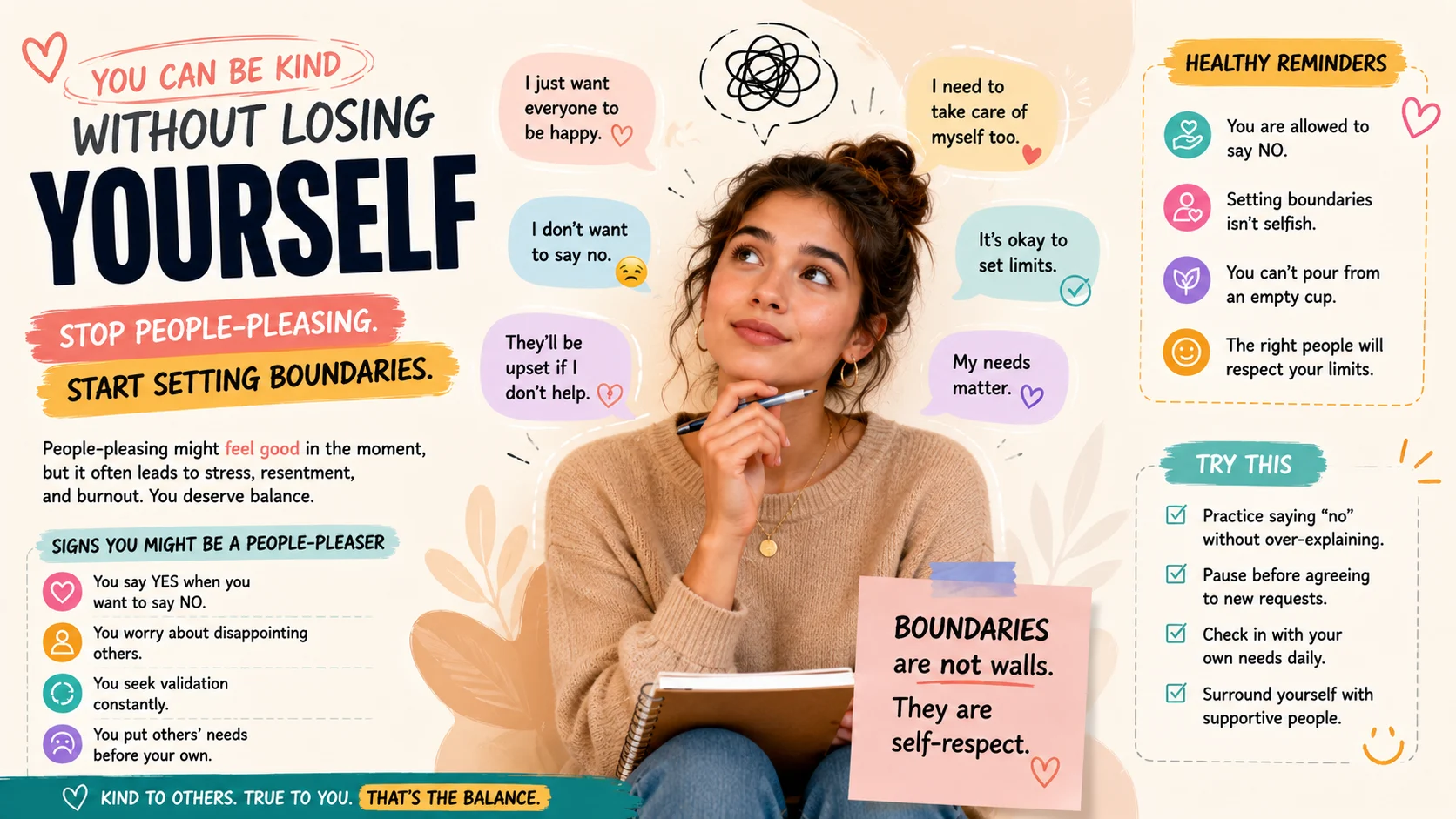
A fawning trauma response often involves people-pleasing, over-apologizing, or prioritizing others to feel safe or avoid conflict. Understanding the pattern can help you respond with more patience, boundaries, and self-awareness.
People-pleasing response, conflict avoidance pattern, excessive apologizing, approval-seeking behavior, trauma-informed boundaries
Ever found yourself saying “sorry” when someone else bumped into you, agreeing to plans you secretly hate, or typing “whatever works for you!” while internally screaming? You are not alone. The fawning trauma response is a pattern often associated with people-pleasing and trying to keep others happy, particularly when conflict or disapproval feels emotionally uncomfortable.
It can show up everywhere, from texting friends and replying to DMs to navigating awkward work situations, family conversations, or even talking to a crush. Understanding this pattern matters because constantly putting everyone else first can make honest communication and healthy boundaries harder. The good news? Awareness can help you recognize your habits and practice kinder, clearer responses. Here are plenty of relatable phrases and conversation ideas to explore.
Gentle Self-Awareness Phrases
- I need a moment to think.
Use this when you feel pressured.
Meaning: It creates space before responding. - Let me check what I want.
Helpful when your preferences feel unclear.
Meaning: It encourages personal self-awareness. - My feelings matter here too.
Use this during emotionally difficult moments.
Meaning: It reinforces your personal emotional value. - I don’t need instant approval.
Helpful when seeking reassurance from others.
Meaning: It reduces pressure to please. - I can disagree respectfully today.
Use this when opinions differ.
Meaning: It supports healthy independent thinking. - I am allowed personal preferences.
Helpful when choosing between different options.
Meaning: It validates your individual wants. - Not everything needs my fixing.
Use this when overhelping others.
Meaning: It encourages healthier emotional boundaries. - I can pause before agreeing.
Helpful when someone requests something quickly.
Meaning: It prevents automatic people-pleasing responses. - Their disappointment is not everything.
Use this when someone dislikes boundaries.
Meaning: It separates their feelings from responsibility. - I deserve honesty with myself.
Helpful during moments of self-reflection.
Meaning: It encourages authentic emotional expression. - I can listen inward first.
Use this before making decisions.
Meaning: It prioritizes your own perspective. - Being kind includes myself too.
Helpful when practicing self-compassion daily.
Meaning: It reminds you that kindness includes you.
Calm Boundary-Setting Phrases
- I cannot commit to that.
Use this when your schedule feels full.
Meaning: It communicates a clear personal boundary. - That doesn’t work for me.
Helpful when rejecting an unwanted option.
Meaning: It expresses disagreement without unnecessary explanation. - I need some time alone.
Use this when you need space.
Meaning: It communicates a healthy personal need. - I’ll get back to you.
Helpful when immediate answers feel difficult.
Meaning: It creates time for thoughtful decisions. - I’m not comfortable with that.
Use this during uncomfortable situations.
Meaning: It clearly communicates your personal limits. - Please don’t pressure me today.
Helpful when someone keeps insisting.
Meaning: It asks others to respect boundaries. - I have other priorities right now.
Use this when declining requests.
Meaning: It protects your time and energy. - No, but thank you anyway.
Helpful for polite but direct refusals.
Meaning: It communicates a respectful boundary. - I need to consider it.
Use this before making commitments.
Meaning: It prevents rushed people-pleasing decisions. - That is not my responsibility.
Helpful when carrying someone else’s burden.
Meaning: It separates your responsibilities from theirs. - I’m choosing something different today.
Use this when asserting preferences.
Meaning: It confidently expresses personal choice. - I appreciate your understanding here.
Helpful after setting a boundary.
Meaning: It keeps the conversation respectful.
Honest And Direct Phrases
- Honestly, I feel differently.
Use this when opinions don’t match.
Meaning: It introduces honest disagreement respectfully. - That’s not what I prefer.
Helpful when someone assumes your choice.
Meaning: It clearly communicates your preference. - I need to be honest.
Use this before difficult conversations.
Meaning: It prepares others for authenticity. - Actually, I disagree with that.
Helpful during respectful discussions or debates.
Meaning: It expresses independent thinking clearly. - I’m not okay with this.
Use this when something crosses limits.
Meaning: It communicates discomfort without overexplaining. - That hurt my feelings somewhat.
Helpful when addressing emotional misunderstandings.
Meaning: It shares feelings without attacking. - I would rather do this.
Use this when offering alternatives.
Meaning: It confidently states your preference. - I don’t see it that way.
Helpful when perspectives strongly differ.
Meaning: It creates respectful conversational distance. - I have changed my mind.
Use this after reconsidering a decision.
Meaning: It shows that changing opinions is acceptable. - I cannot pretend I’m fine.
Helpful when hiding genuine emotions.
Meaning: It encourages emotional honesty. - This is important to me.
Use this when expressing personal needs.
Meaning: It emphasizes your perspective respectfully. - I want something different instead.
Helpful when rejecting unwanted expectations.
Meaning: It communicates independence and authenticity.
Polite Response Phrases
- Thank you, but I’ll pass.
Use this for unwanted invitations.
Meaning: It declines politely and clearly. - I appreciate the offer, though.
Helpful when refusing someone’s suggestion.
Meaning: It shows gratitude without agreeing. - Perhaps another time works better.
Use this when timing feels inconvenient.
Meaning: It leaves room for future possibilities. - Thanks for understanding my decision.
Helpful after communicating a boundary.
Meaning: It acknowledges respectful communication. - I’m going to decline today.
Use this for simple refusals.
Meaning: It communicates a decision respectfully. - That sounds nice, but no.
Helpful when something still isn’t suitable.
Meaning: It combines warmth with clear boundaries. - I appreciate you asking me.
Use this before declining requests.
Meaning: It recognizes someone’s thoughtful gesture. - I’ll have to respectfully disagree.
Helpful during formal or casual discussions.
Meaning: It expresses disagreement with courtesy. - Thank you for being patient.
Use this when taking extra time.
Meaning: It expresses appreciation without apologizing excessively. - I understand, but I can’t.
Helpful when declining emotional requests.
Meaning: It shows empathy while maintaining boundaries. - That won’t be possible today.
Use this when declining commitments.
Meaning: It provides a professional, clear response. - I hope that makes sense.
Helpful after explaining a decision.
Meaning: It keeps communication friendly and considerate.
Confident Response Phrases
- I know what works best.
Use this when trusting yourself.
Meaning: It demonstrates confidence in decisions. - I’m comfortable with my choice.
Helpful when others question you.
Meaning: It reinforces confidence without hostility. - I’ve decided, and that’s final.
Use this when repeated pressure continues.
Meaning: It firmly closes the discussion. - I trust my own judgment.
Helpful when seeking less outside validation.
Meaning: It strengthens personal decision-making confidence. - My answer is still no.
Use this when boundaries are challenged.
Meaning: It reinforces a previously stated limit. - I’m allowed to choose myself.
Helpful during moments of guilt.
Meaning: It validates healthy self-prioritization. - I don’t need everyone’s approval.
Use this when worrying about reactions.
Meaning: It encourages emotional independence. - This decision feels right today.
Helpful when making personal choices.
Meaning: It communicates calm self-confidence. - I can handle their reaction.
Use this before difficult boundaries.
Meaning: It reduces fear around disappointment. - My needs deserve consideration too.
Helpful when feeling overlooked or dismissed.
Meaning: It reinforces equal emotional importance. - I’m standing by my decision.
Use this after thoughtful consideration.
Meaning: It communicates confidence and consistency. - I choose honesty over approval.
Helpful when tempted to people-please.
Meaning: It prioritizes authenticity over validation.
Casual Everyday Phrases
- Hmm, let me think first.
Use this before casually agreeing.
Meaning: It creates a natural decision-making pause. - I’ll see how I’m feeling.
Helpful when making flexible plans.
Meaning: It avoids unnecessary commitments. - Maybe, but no promises yet.
Use this when plans remain uncertain.
Meaning: It sets expectations without guilt. - I’m good doing my thing.
Helpful when declining group activities.
Meaning: It casually protects your independence. - Not really feeling that today.
Use this when something doesn’t appeal.
Meaning: It honestly communicates your preference. - I’ll pass this time around.
Helpful for casual invitations or requests.
Meaning: It offers a relaxed refusal. - That sounds like a lot.
Use this when feeling overwhelmed.
Meaning: It honestly acknowledges your available energy. - I’m keeping things low-key today.
Helpful when protecting personal downtime.
Meaning: It casually communicates a need for space. - I’ll stick with my original plan.
Use this when avoiding pressure.
Meaning: It reinforces your previous decision casually. - I’m not up for that.
Helpful when declining spontaneous invitations.
Meaning: It communicates your feelings simply. - Let’s not overcomplicate things here.
Use this during unnecessary pressure.
Meaning: It brings conversations back to simplicity. - I’m just being honest, honestly.
Helpful when expressing genuine preferences.
Meaning: It adds casual warmth to honesty.
Warm And Supportive Phrases
- You don’t have to please everyone.
Use this when supporting someone.
Meaning: It encourages freedom from constant approval-seeking. - Your feelings deserve some space.
Helpful during emotional conversations.
Meaning: It validates another person’s emotions. - It’s okay to take time.
Use this when someone feels pressured.
Meaning: It encourages thoughtful and calm decisions. - You can say no kindly.
Helpful when discussing healthy boundaries.
Meaning: It normalizes respectful refusal and independence. - You don’t need to apologize.
Use this when someone over-apologizes.
Meaning: It gently reduces unnecessary guilt. - Your needs matter here too.
Helpful when someone ignores themselves.
Meaning: It reinforces equal emotional importance. - Take your time answering me.
Use this to remove pressure.
Meaning: It creates a safer conversational environment. - You are allowed your opinion.
Helpful when someone fears disagreement.
Meaning: It validates independent thoughts and perspectives. - We can disagree and connect.
Use this during healthy disagreements.
Meaning: It shows conflict doesn’t require rejection. - You don’t need permission today.
Helpful when someone constantly seeks approval.
Meaning: It encourages personal autonomy and confidence. - Being honest is still kindness.
Use this during difficult conversations.
Meaning: It reframes honesty as caring communication. - I respect whatever you decide.
Helpful when giving someone emotional space.
Meaning: It supports autonomy without added pressure.
Emotional Expression Phrases
- I’m feeling overwhelmed right now.
Use this when emotions feel intense.
Meaning: It communicates feelings without blaming others. - That situation made me uncomfortable.
Helpful when discussing difficult experiences.
Meaning: It clearly identifies an emotional reaction. - I need space to process.
Use this after emotionally heavy moments.
Meaning: It communicates a need for reflection. - I feel nervous saying this.
Helpful before difficult honesty.
Meaning: It expresses vulnerability without avoiding truth. - I’m still figuring this out.
Use this when feelings remain unclear.
Meaning: It allows emotional uncertainty without pressure. - Part of me feels conflicted.
Helpful when experiencing mixed emotions.
Meaning: It honestly communicates internal uncertainty. - I’m learning what I need.
Use this during personal growth.
Meaning: It recognizes that self-awareness takes time. - That reaction surprised me honestly.
Helpful when noticing emotional patterns.
Meaning: It encourages curiosity about personal responses. - I don’t want to ignore myself.
Use this when practicing boundaries.
Meaning: It prioritizes emotional self-awareness and care. - I’m allowed to feel uncertain.
Helpful during confusing decisions.
Meaning: It normalizes emotional uncertainty and reflection. - I need kindness right now.
Use this when seeking emotional support.
Meaning: It directly communicates a personal emotional need. - This matters more than expected.
Helpful when emotions suddenly surface.
Meaning: It acknowledges the importance of feelings.
Lighthearted And Funny Phrases
- My people-pleaser needs a nap.
Use this during a relatable moment.
Meaning: It humorously acknowledges over-accommodating habits. - Plot twist, I have preferences.
Helpful when asserting your opinion.
Meaning: It makes self-expression feel playful. - Respectfully, my calendar says nope.
Use this when declining plans.
Meaning: It delivers a humorous but clear boundary. - Breaking news, I said no.
Helpful when practicing confident refusal.
Meaning: It celebrates boundaries with playful humor. - My inner peace has entered.
Use this when avoiding unnecessary drama.
Meaning: It humorously prioritizes emotional calm. - Not me considering my feelings.
Helpful during personal self-awareness moments.
Meaning: It playfully celebrates self-prioritization. - Today’s vibe is selective availability.
Use this when protecting your time.
Meaning: It adds humor to personal boundaries. - My approval subscription expired yesterday.
Helpful when rejecting constant validation.
Meaning: It humorously supports emotional independence. - I consulted myself and declined.
Use this before politely refusing.
Meaning: It makes independent decisions feel empowering. - Apparently, boundaries are my hobby.
Helpful when joking about growth.
Meaning: It makes boundary-setting feel approachable. - The answer is respectfully unavailable.
Use this for unwanted requests.
Meaning: It offers a humorous, indirect refusal. - My peace said absolutely not.
Helpful when rejecting stressful situations.
Meaning: It playfully prioritizes emotional wellbeing.
Clever And Thoughtful Phrases
- Agreement isn’t always genuine connection.
Use this during meaningful discussions.
Meaning: It highlights the value of authenticity. - Honesty creates stronger relationships eventually.
Helpful when discussing difficult boundaries.
Meaning: It emphasizes long-term trust over comfort. - I can care without complying.
Use this when helping others.
Meaning: It separates kindness from automatic agreement. - Conflict doesn’t automatically mean rejection.
Helpful when fearing disagreements deeply.
Meaning: It challenges fear around healthy conflict. - Kindness doesn’t require self-erasure either.
Use this when discussing people-pleasing.
Meaning: It promotes balanced compassion and boundaries. - Understanding someone isn’t always agreeing.
Helpful during disagreements with others.
Meaning: It separates empathy from personal compliance. - My comfort deserves consideration too.
Use this when feeling overlooked.
Meaning: It reinforces balanced emotional relationships. - A pause can protect authenticity.
Helpful before making quick decisions.
Meaning: It encourages thoughtful and honest responses. - Guilt isn’t always a warning.
Use this when boundaries feel uncomfortable.
Meaning: It questions automatic guilt after saying no. - I can disappoint without wrongdoing.
Helpful when someone dislikes boundaries.
Meaning: It separates disappointment from personal guilt. - Peace isn’t always avoiding conflict.
Use this during difficult conversations.
Meaning: It reframes peace as honest communication. - My voice belongs in decisions.
Helpful when others dominate choices.
Meaning: It reinforces personal agency and participation.
Professional And Workplace Phrases
- I don’t have capacity currently.
Use this when your workload increases.
Meaning: It professionally communicates limited availability. - Let’s discuss realistic expectations first.
Helpful before accepting additional responsibilities.
Meaning: It encourages clearer workplace communication. - I need additional time here.
Use this when deadlines feel unrealistic.
Meaning: It communicates workload needs professionally. - That falls outside my responsibilities.
Helpful when tasks become inappropriate.
Meaning: It establishes professional role boundaries. - I can offer limited support.
Use this when helping colleagues.
Meaning: It defines assistance without overcommitting. - I’d prefer another approach here.
Helpful when discussing project decisions.
Meaning: It respectfully expresses your professional opinion. - I’m unable to take this.
Use this when declining extra work.
Meaning: It provides a direct professional boundary. - Please clarify the expected timeline.
Helpful before accepting new assignments.
Meaning: It ensures expectations remain realistic and clear. - I need to prioritize current tasks.
Use this during heavy workloads.
Meaning: It protects focus and professional responsibilities. - I’m comfortable sharing my perspective.
Helpful during workplace meetings or discussions.
Meaning: It encourages confident professional communication. - Let’s find a balanced solution.
Use this during workplace disagreements.
Meaning: It promotes collaboration without self-sacrifice. - I appreciate your flexibility here.
Helpful after communicating workplace limits.
Meaning: It maintains a respectful professional tone.
Texting And DM Phrases
- Let me think before replying.
Use this when messages feel pressuring.
Meaning: It gives you breathing room. - I’m not sure about that.
Helpful when responding honestly online.
Meaning: It expresses uncertainty without pretending. - I need some time offline.
Use this when digital conversations overwhelm.
Meaning: It sets a healthy communication boundary. - I’ll reply when I’m ready.
Helpful when messages require reflection.
Meaning: It protects your emotional response time. - That doesn’t really work today.
Use this when declining digital plans.
Meaning: It communicates your preference casually. - No worries, but I’m passing.
Helpful for friendly online refusals.
Meaning: It keeps boundaries relaxed and clear. - I’m keeping my evening free.
Use this when declining spontaneous plans.
Meaning: It protects your personal time. - Thanks, but I’ll skip this.
Helpful when declining group messages.
Meaning: It communicates a simple decision. - I don’t have an answer yet.
Use this when someone demands clarity.
Meaning: It allows uncertainty without unnecessary apologies. - I’m going with what feels right.
Helpful when explaining personal choices.
Meaning: It communicates self-trust and authenticity. - Please don’t read into this.
Use this before setting casual boundaries.
Meaning: It reduces unnecessary tension or misunderstanding. - I just need some space.
Helpful during overwhelming online conversations.
Meaning: It communicates a straightforward personal need.
Compassionate Self-Talk Phrases
- I did my best today.
Use this after difficult situations.
Meaning: It encourages kindness toward yourself. - I can learn without shame.
Helpful when noticing old patterns.
Meaning: It supports growth without harsh self-judgment. - I’m allowed to take space.
Use this when feeling emotionally crowded.
Meaning: It validates your need for boundaries. - My needs aren’t inconvenient today.
Helpful when guilt starts appearing.
Meaning: It challenges negative beliefs about needs. - I don’t need perfect responses.
Use this after awkward conversations.
Meaning: It reduces pressure to communicate perfectly. - Growth can feel uncomfortable sometimes.
Helpful while practicing new boundaries.
Meaning: It normalizes discomfort during personal change. - I can start with small steps.
Use this when change feels overwhelming.
Meaning: It encourages manageable personal growth. - I’m more than others’ opinions.
Helpful when worrying about judgment.
Meaning: It strengthens your sense of self. - I deserve patience from myself.
Use this during difficult moments.
Meaning: It encourages gentle personal self-compassion. - One boundary can be enough.
Helpful when practicing saying no.
Meaning: It reminds you that progress can begin small. - I can notice without judging.
Use this when observing habits.
Meaning: It promotes curiosity instead of criticism. - My progress doesn’t need perfection.
Helpful during personal growth journeys.
Meaning: It encourages realistic expectations and patience.
Supportive Responses For Friends
- You don’t owe everyone comfort.
Use this when supporting a friend.
Meaning: It reminds them of healthy boundaries. - I hear what you’re saying.
Helpful during emotionally open conversations.
Meaning: It shows attention and validation. - You can take your time.
Use this when someone feels rushed.
Meaning: It creates emotional space and safety. - What do you actually want?
Helpful when someone ignores preferences.
Meaning: It gently redirects attention inward. - Your answer can simply be no.
Use this when encouraging boundaries.
Meaning: It normalizes direct and respectful refusal. - I’m not disappointed in you.
Helpful when someone fears rejection.
Meaning: It provides reassurance without added pressure. - You don’t need to explain everything.
Use this when someone overexplains boundaries.
Meaning: It reinforces their right to privacy. - I support your honest answer.
Helpful when someone fears disagreement.
Meaning: It encourages authenticity and self-expression. - We can figure this out.
Use this during confusing moments.
Meaning: It offers companionship and calm support. - Your feelings make sense here.
Helpful when someone doubts themselves.
Meaning: It validates their emotional experience. - You deserve respectful relationships too.
Use this during boundary conversations.
Meaning: It reinforces the importance of mutual respect. - I’m glad you told me.
Helpful when someone opens up.
Meaning: It rewards honest emotional communication warmly.
Reflective And Growth-Focused Phrases
- I’m noticing this pattern lately.
Use this during personal reflection.
Meaning: It builds awareness without immediate judgment. - Why did I agree immediately?
Helpful after automatic people-pleasing moments.
Meaning: It encourages curiosity about your habits. - What would I choose freely?
Use this before making decisions.
Meaning: It helps identify authentic personal preferences. - I’m practicing slower responses now.
Helpful when changing automatic habits.
Meaning: It creates space for intentional choices. - This boundary feels unfamiliar today.
Use this while trying something new.
Meaning: It recognizes that growth can feel strange. - I’m learning to trust myself.
Helpful during personal development moments.
Meaning: It reinforces growing self-confidence gradually. - I handled that differently today.
Use this after making progress.
Meaning: It celebrates positive changes in behavior. - Small changes still count deeply.
Helpful when progress feels slow.
Meaning: It encourages patience and realistic expectations. - I want more balanced relationships.
Use this while reflecting on connections.
Meaning: It identifies a meaningful personal goal. - I’m choosing awareness over autopilot.
Helpful when noticing automatic responses.
Meaning: It encourages intentional behavior and reflection. - This is something worth exploring.
Use this when patterns continue.
Meaning: It invites thoughtful personal curiosity. - I can ask for support.
Helpful when handling difficult emotions.
Meaning: It reminds you that support is available.
FAQs
What Does Fawning Trauma Response Mean?
The fawning trauma response generally describes a pattern of excessive people-pleasing, conflict avoidance, or prioritizing others in an effort to maintain safety or connection.
Can A Fawning Response Appear Emotional Or Flirty?
Sometimes. A person may seem overly agreeable, highly accommodating, or eager for approval, but it is important not to assume someone’s motives or diagnose them based on isolated behavior.
Can You Discuss This Professionally At Work?
Yes. Workplace conversations can focus on boundaries, communication styles, workload, and people-pleasing without using deeply personal details.
What Should You Say If You Don’t Actually Mean Something?
Try being respectfully honest. A simple “Let me think about that” can be better than automatically agreeing.
Is Humor Appropriate When Discussing Fawning?
Light humor can make self-reflection feel relatable, but avoid making fun of someone’s emotional experiences or struggles.
Conclusion
Understanding the fawning trauma response can give you a useful language for noticing people-pleasing habits, uncomfortable boundaries, and those moments when “sure, whatever you want” does not actually reflect what you feel. You do not need a perfect response every time. Sometimes a simple pause, an honest opinion, or a respectful “no” can make a real difference.
The way we respond shapes conversations, relationships, and the impression we leave behind. Try different phrases, keep what feels natural, and remember that growth can happen one message at a time. Save this list for later, share it with a friend, and reuse the phrases that genuinely fit your voice.
Discover More Related Articles:
- 180+ Flehmen Response Cat Moments | Funny & Relatable Reactions In 2026
- 180+ Rapid Response Team | Responses for Every Situation In 2026
- 180+ Dose Response Curve Responses | That Make Science Talk More Relatable In 2026








3 thoughts on “200+ Fawning Trauma Response | Phrases & Insights for Better Conversations In 2026”